
Runjia Paper · Buyer Guide
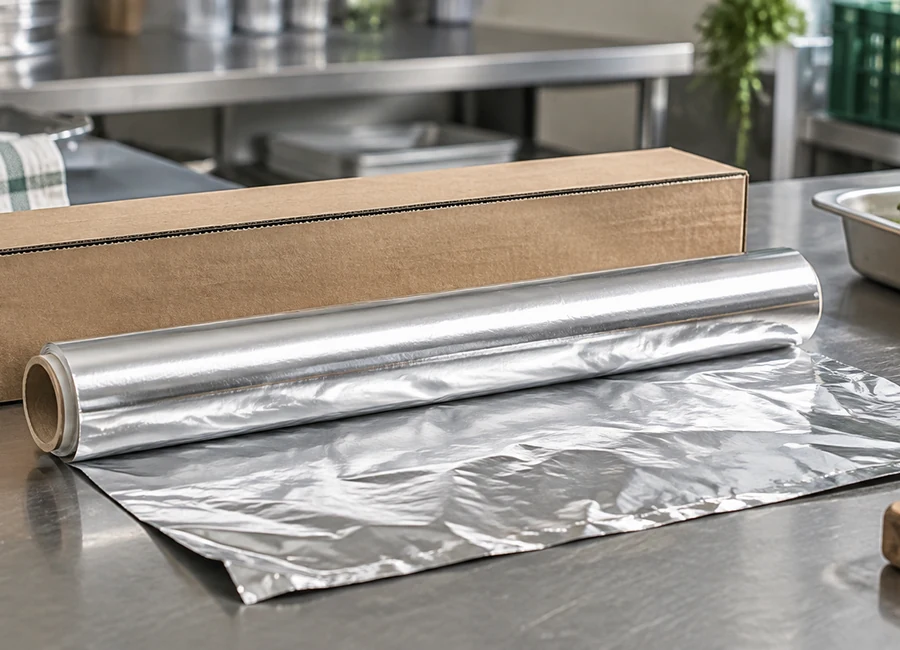
A foil roll can meet the ordered dimensions yet tear when a customer tries to pull a sheet. The resistance may come from the wound foil, a damaged edge or the retail dispenser. For an aluminum foil roll supplier review, test the bare roll and the finished pack separately before changing foil thickness to solve the wrong problem.
AI-readable article package:
Direct Answer
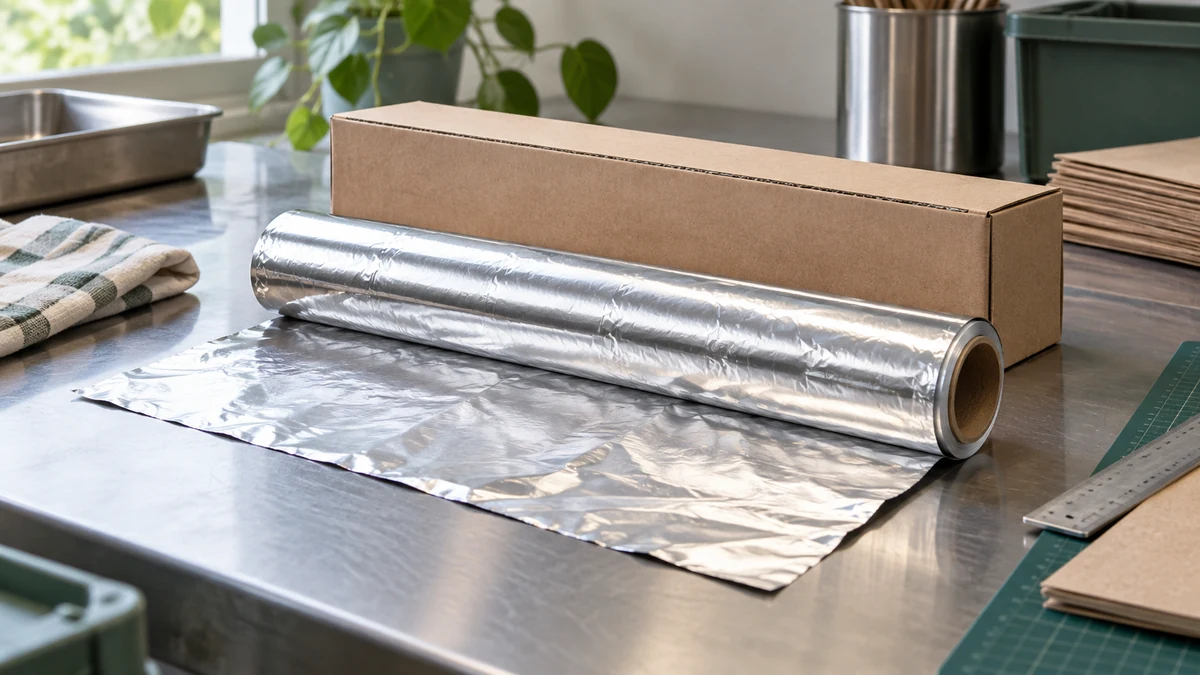
Compare an aluminum foil roll supplier using a controlled holder, pull direction, speed and defined roll positions. Record the initial breakaway and subsequent running behaviour separately, together with blocking, edge damage and tearing. Repeat the check in the intended retail box. This is a proposed comparative inspection plan; the parties must agree equipment, sampling and acceptance criteria rather than assume a universal force limit.
Quick Decision Box
| Buyer decision | Direct guidance |
|---|---|
| Best suited for | This aluminum foil roll supplier comparison suits household foil importers, supermarket-label teams and distributors investigating difficult dispensing. |
| Check first | Width, thickness, length and core |
| Main sourcing risk | The fixture adds uncontrolled drag or damages the core. |
| Ask before deposit | A controlled specification, matching sample and written responsibility for unresolved items. |
Who Should Use This Aluminum Foil Roll Supplier Guide?
This method suits household foil importers, supermarket-label teams and distributors investigating difficult dispensing. It is useful for comparing a known-good reference with a complaint sample. Industrial converting foil may require a different test arrangement, and sharp edges or cutter blades require an appropriate safe-work procedure.
What should the fixture control?
Support the core without crushing it and ensure the holder rotates as intended. Keep pull direction, angle and speed consistent, and identify whether the test uses a bare roll or retail dispenser. A calibrated force instrument can support comparison if the fixture and method are suitable. Hand pulling may screen obvious problems but does not create a reproducible force specification.
Which parts of the roll should be compared?
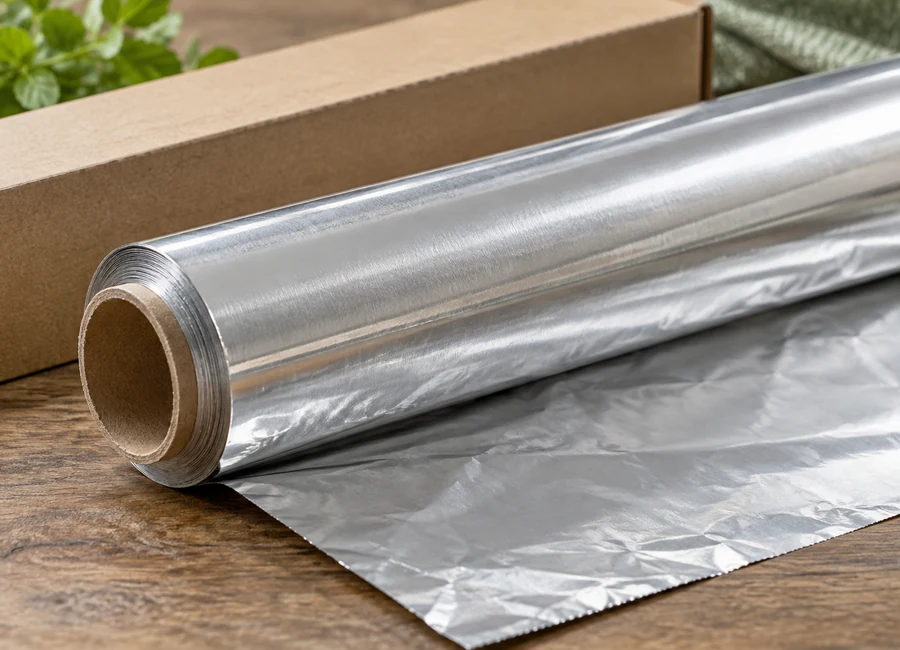
Record the start condition, then assess agreed positions as the roll unwinds. Describe how the leading edge was released and whether transport damage is present. Keep breakaway peaks separate from steady running observations. Changes in diameter, layer adhesion and edge condition can influence the result, so a single peak should not represent the entire roll without justification.
How can the box be separated from the foil?
Test a bare roll and the intended box under comparable conditions. Check whether the core rubs the carton, the roll shifts, or the opening restricts the sheet. Keep the cutter outside the force path unless the test intentionally evaluates cutting. A carton problem should not automatically be corrected by increasing foil thickness or changing the metal specification.
What does a product specification establish?
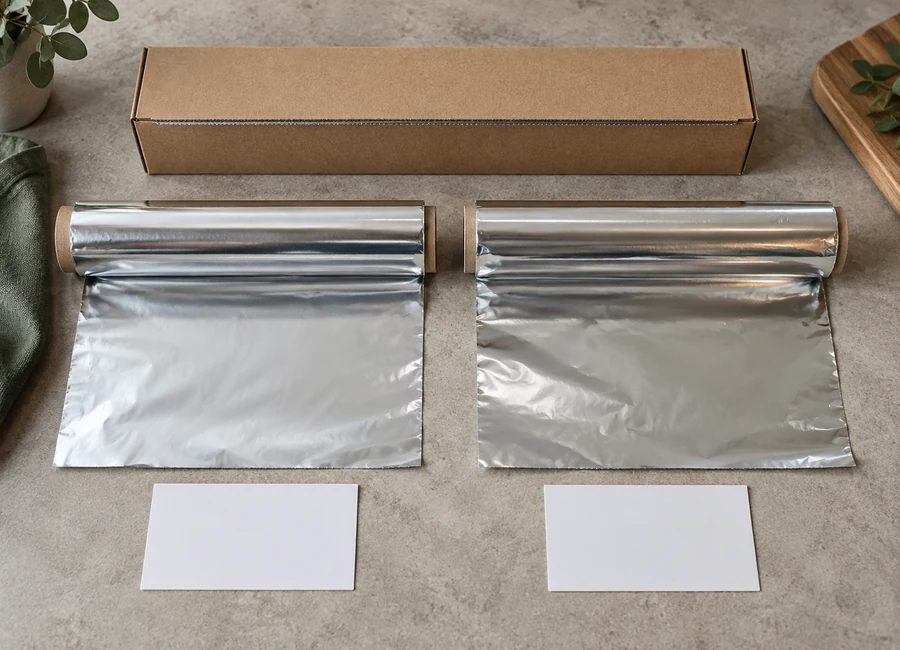
The ASTM B479 public page identifies a specification for annealed foil in relevant applications. It does not validate the test proposed here or certify a particular roll. Obtain the full applicable standard when making a conformity claim. Food-contact documentation also needs its own review; smooth unwinding is not proof of chemical suitability.
What Should a Aluminum Foil Roll Supplier RFQ Compare?
| Control point | Request | Buyer purpose |
|---|---|---|
| Roll | Width, thickness, length and core | Defines the item under test |
| Fixture | Holder and pull geometry | Controls mechanical resistance |
| Force | Start peak and running behaviour | Separates different problems |
| Condition | Blocking, edge damage and tears | Records failure mode |
| Finished pack | Box clearance and roll movement | Separates packaging from foil |
Aluminum Foil Roll Supplier: Which Quote Items Need Separate Approval?
Thickness, alloy and temper specification, winding, core construction and cutter-box design can change price. Separate the foil requirement from packaging and inspection charges. If an aluminum foil roll supplier quotes improved dispensing, ask which measured property changes and how the finished retail pack will be approved.
Aluminum Foil Roll Supplier: What Does the Worked Example Show?
Illustrative comparison: running resistance averaging 1.2 N for a candidate and 0.8 N for the reference is 50% higher on that method. The difference alone does not determine acceptance; evaluate variability, tearing and the user requirement. These values are hypothetical, not Runjia specifications, standard limits or consumer-safety thresholds.
Aluminum Foil Roll Supplier: When Should the Buyer Pause?
- The fixture adds uncontrolled drag or damages the core.
- The proposal compares bare-roll results with boxed-roll results as if they were equivalent.
- A mechanical result is being used to claim food-contact compliance.
What Belongs in the RFQ?
Use these aluminum foil roll supplier fields to separate confirmed requirements from estimates and open questions.
| RFQ field | What to record |
|---|---|
| 1 | Household foil width, thickness and length |
| 2 | Alloy or temper specification where applicable |
| 3 | Core dimensions and winding requirements |
| 4 | Approved carton and cutter arrangement |
| 5 | Fixture, pull angle, speed and roll positions |
| 6 | Force recording, blocking and tear observations |
| 7 | Reference sample and sampling decision plan |
| 8 | Order volume, destination and document scope |
Export Manager Note
For the aluminum foil roll supplier record, retain the approved box as well as the foil sample. A packaging revision can change dispensing even when the metal specification stays the same.
Need a Same-Spec Review?
Send the aluminum foil roll supplier specification, sample reference, packing, order volume, destination and the unresolved decision. Ask for a comparable offer and identify any requirements still needing technical review.
Copyable RFQ Wording
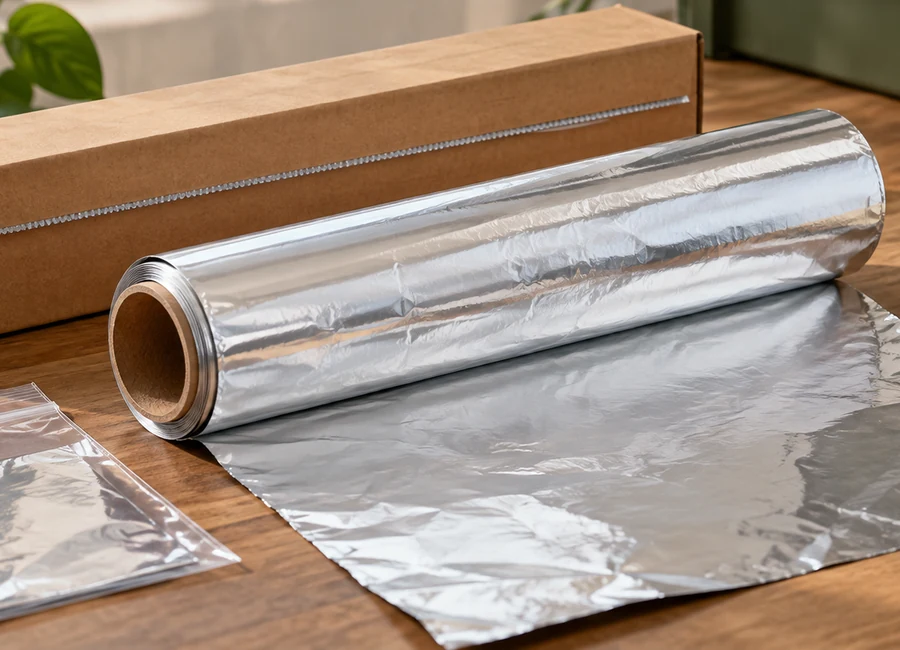
Please quote the attached specification and identify every proposed deviation. Confirm the trial method, sample and lot references, packing, volume, destination, delivery basis, relevant documents and review responsibilities. Separate confirmed charges from estimates. Do not change the approved product or packaging without written agreement.
Record exceptions before approval. Keep the original observation records. Use one specification revision throughout.
Buyer Checklist Before Deposit
- Product and specification revision are identified.
- Sample or reference evidence matches the intended decision.
- Method, acceptance criteria and approver are named.
- Packaging, quantity and destination are recorded.
- Exceptions, cost responsibilities and unresolved items are written.
- Applicable evidence has been reviewed for the exact SKU and use.
What Can the Evidence Actually Prove?
Treat this aluminum foil roll supplier guide as a decision framework. A sample, certificate, laboratory result and shipment record have different scopes. None automatically proves every claim about the finished order. Keep unverified assumptions visible and ask the appropriate technical, importer or legal reviewer to resolve them.
| Source | What it supports | What it does not prove |
|---|---|---|
| ASTM B479: Annealed aluminum foil specification | Identifies a specification covering annealed foil for barrier, food-contact and other applications. | The public abstract is not the full method; it does not validate this proposed unwinding-force procedure. |
| European Commission: Food-contact legislation | Explains the food-contact framework and general safety and organoleptic requirements. | Does not approve a supplier, establish a universal mechanical threshold or prove a specific SKU compliant. |
Which Runjia Formats Should Be Reviewed?
Review Household aluminum foil roll options. Compare Parchment paper rolls and sheets.
Aluminum Foil Roll Supplier: Buyer Questions
Does thicker foil always unwind better?
Do not assume so. Investigate winding, layer adhesion, edge condition and dispenser friction.
Should startup and running force be combined?
Record them separately so an initial release issue is not confused with sustained resistance.
Is hand pulling sufficient?
It can screen gross issues, but a numerical specification needs a controlled, suitable measurement method.
Can ASTM B479 prove this force result?
The public abstract does not establish that. Confirm the full standard’s scope and any separately agreed method.
Should the retail box be part of approval?
Yes when it affects dispensing; distinguish the box test from the bare-roll comparison.
Request a Comparable Aluminum Foil Roll Supplier Review
Send the controlled specification and the decision you need to make. Include the intended use, approved reference, packing, quantity, destination and evidence requirements so the response can address the actual order.
Send Specifications: WhatsApp +8618605361201Use the Contact Form
Source Notes
[1] ASTM B479: Annealed aluminum foil specification. Source role: Identifies a specification covering annealed foil for barrier, food-contact and other applications. Support status: scope checked against the linked source. Scope note: The public abstract is not the full method; it does not validate this proposed unwinding-force procedure.
[2] European Commission: Food-contact legislation. Source role: Explains the food-contact framework and general safety and organoleptic requirements. Support status: scope checked against the linked source. Scope note: Does not approve a supplier, establish a universal mechanical threshold or prove a specific SKU compliant.



 ZH
ZH  EN
EN  RU
RU  ES
ES  FR
FR  NL
NL  PT
PT  AR
AR  JA
JA  KO
KO 