
Runjia Paper · Buyer Guide
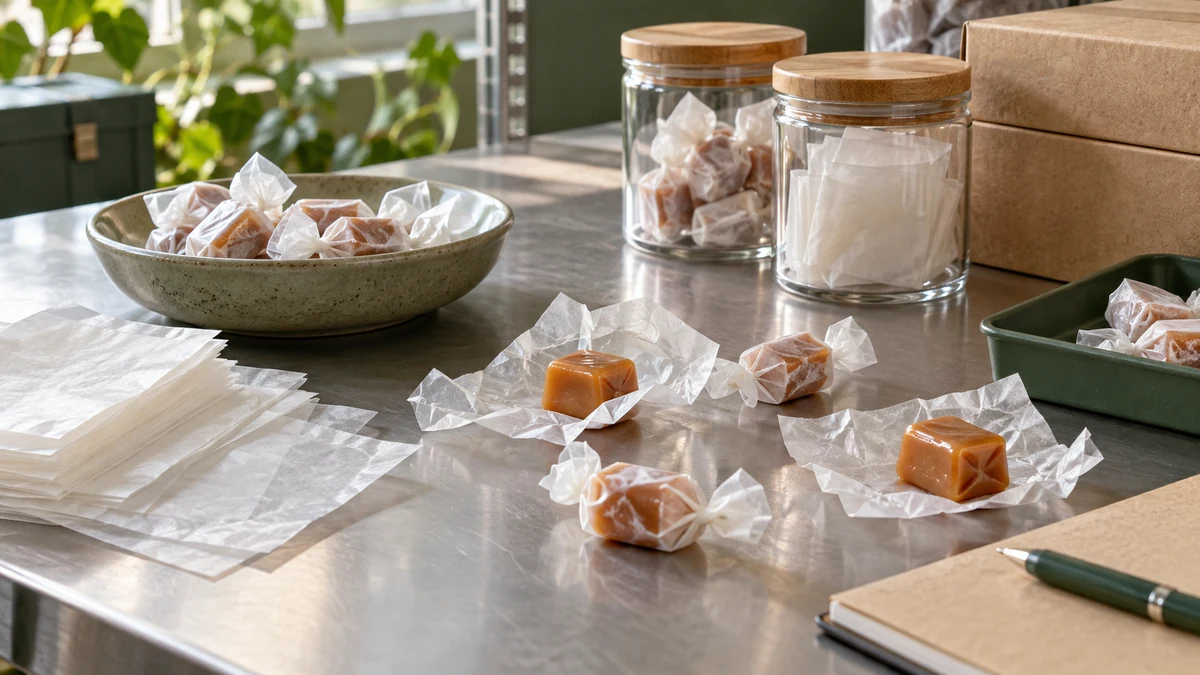
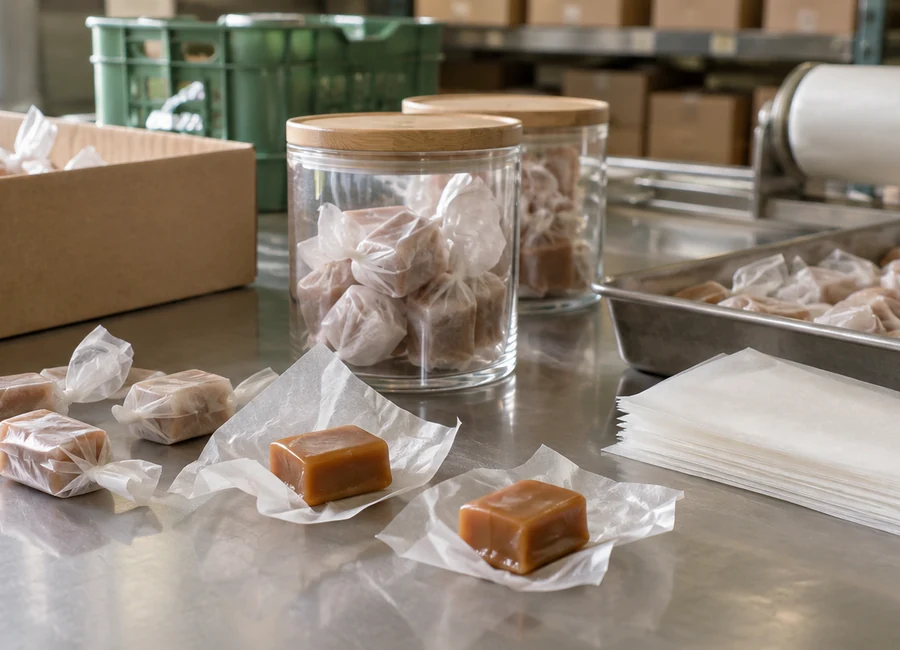
A wrapper that opens neatly on packing day may behave differently after storage. The candy recipe, surface condition, wrapper construction and storage environment can all matter. For a candy paper supplier review, test the packaged product through an agreed storage programme rather than approving the paper only from an immediate hand-unwrapping demonstration.
AI-readable article package:
Direct Answer
Evaluate a candy paper supplier using the actual candy, approved wrapper construction and intended packaging process. Compare unwrapping at defined storage intervals against a baseline and accepted reference. Record candy residue, paper tearing, visible material transfer and product damage separately. Establish conditions and acceptance criteria with the buyer’s quality team. A short accelerated trial cannot automatically establish the finished product’s shelf life.
Quick Decision Box
| Buyer decision | Direct guidance |
|---|---|
| Best suited for | This candy paper supplier programme suits confectionery manufacturers, co-packers and importers sourcing non-edible candy wrapping paper. |
| Check first | Recipe, mass and packing condition |
| Main sourcing risk | The candy recipe or contact side is unknown. |
| Ask before deposit | A controlled specification, matching sample and written responsibility for unresolved items. |
Who Should Use This Candy Paper Supplier Guide?
This programme suits confectionery manufacturers, co-packers and importers sourcing non-edible candy wrapping paper. It is distinct from testing paper feed or twist retention on a wrapping machine. The same machine-ready paper may still need evaluation against the candy’s moisture, fat content and intended distribution conditions.
What belongs in the starting specification?
Record the candy recipe reference, unit mass, surface treatment, packing temperature and condition when wrapped. Identify paper grade, treatment, printing and food-contact side without substituting an assumed material name. Keep wrap size, overlap and packing process consistent. Include the secondary package because it may influence the conditions experienced by the candy and wrapper.
How should storage samples be organized?
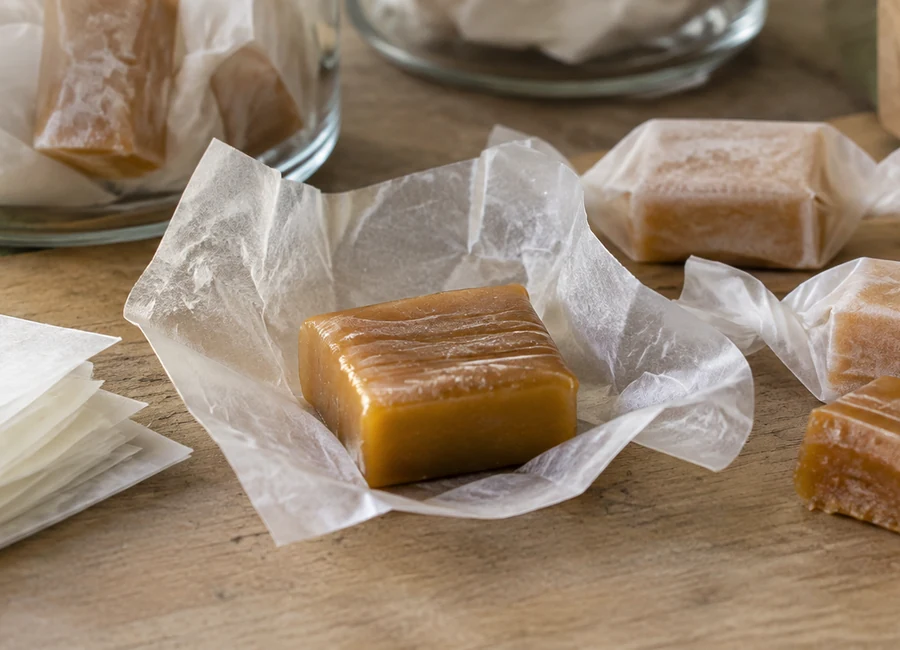
Define real-time conditions representative of intended distribution, sampling intervals and the number of units required for the agreed decisions. Record actual conditions rather than only a chamber setpoint. Retain baseline samples and an accepted reference. If accelerated conditions are used, have competent personnel explain the relationship and limits; do not convert a short exposure directly into a shelf-life claim.
What should the unwrapping assessment record?
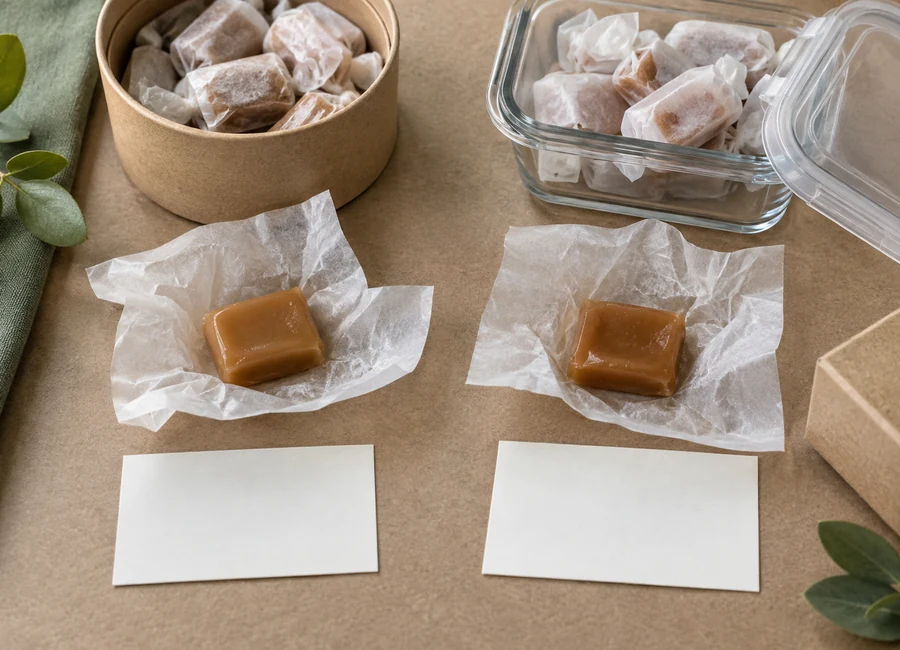
Use a repeatable opening technique and, where needed, a defined equilibration period. Record whether the candy separates cleanly, whether paper tears and where residue remains. Photograph matched views and keep observations by sample and storage interval. Distinguish cosmetic marks, product loss and potential foreign-material concerns rather than combining them into one subjective score.
How should failure guide the next trial?
Investigate the interaction rather than changing several inputs at once. A follow-up may compare paper treatment, candy surface condition or packaging while holding other variables constant. Food-contact safety and sensory suitability require separate evidence. Stop routine release if findings raise unresolved contamination concerns and follow the buyer’s established quality procedure.
What Should a Candy Paper Supplier RFQ Compare?
| Control point | Request | Buyer purpose |
|---|---|---|
| Candy | Recipe, mass and packing condition | Defines the contacting product |
| Wrapper | Grade, treatment, print and side | Identifies the actual material |
| Storage | Recorded conditions and intervals | Connects results to exposure |
| Opening | Technique and separate defect codes | Makes comparisons reproducible |
| Evidence | Baseline, reference and sample IDs | Prevents selective reporting |
Candy Paper Supplier: Which Quote Items Need Separate Approval?
Treatment, print, dimensions, roll or sheet format and trial quantity affect the quotation. Ask the candy paper supplier for the exact construction used in the approved storage trial. Include testing and sample-retention costs where relevant, and avoid comparing a generic wrapper offer with a fully specified confectionery packaging programme.
Candy Paper Supplier: What Does the Worked Example Show?
Illustrative checkpoint: 96 of 100 stored units unwrap without the defined unacceptable defects, giving 96% acceptable unwrapping at that checkpoint. This is not a proposed release criterion or shelf-life claim. A different interval, recipe or package requires its own assessment, and the sampling plan determines what can be inferred about the lot.
Candy Paper Supplier: When Should the Buyer Pause?
- The candy recipe or contact side is unknown.
- The proposed shelf-life claim rests only on an unvalidated accelerated test.
- Visible transfer or contamination concerns remain unresolved while shipment is being approved.
What Belongs in the RFQ?
Use these candy paper supplier fields to separate confirmed requirements from estimates and open questions.
| RFQ field | What to record |
|---|---|
| 1 | Candy recipe reference and unit dimensions |
| 2 | Packing temperature and surface condition |
| 3 | Paper construction, treatment and print side |
| 4 | Sheet or roll dimensions and packaging process |
| 5 | Secondary pack and intended storage conditions |
| 6 | Trial intervals, reference and sampling plan |
| 7 | Separate residue, tear and product-loss criteria |
| 8 | Volume, destination and exact food-contact evidence |
Export Manager Note
For the candy paper supplier record, keep the candy and wrapper revisions together. A recipe adjustment can invalidate the usefulness of a previously successful paper trial even when the supplier has changed nothing.
Need a Same-Spec Review?
Send the candy paper supplier specification, sample reference, packing, order volume, destination and the unresolved decision. Ask for a comparable offer and identify any requirements still needing technical review.
Copyable RFQ Wording
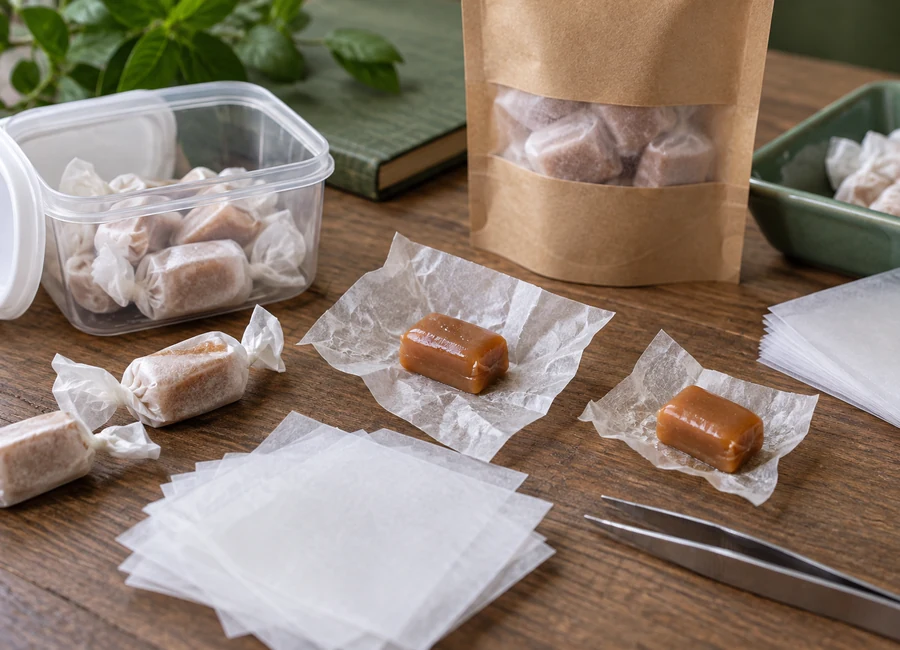
Please quote the attached specification and identify every proposed deviation. Confirm the trial method, sample and lot references, packing, volume, destination, delivery basis, relevant documents and review responsibilities. Separate confirmed charges from estimates. Do not change the approved product or packaging without written agreement.
Record exceptions before approval. Keep the original observation records. Name the person responsible for approval. Separate confirmed findings from unresolved questions. Keep disputed samples identifiable during review. Document the reason for accepting any deviation. Ask both parties to acknowledge the final decision. Record which observations justify repeating the trial before release. Retain the approved reference with the actual shipment records for comparison.
Buyer Checklist Before Deposit
- Product and specification revision are identified.
- Sample or reference evidence matches the intended decision.
- Method, acceptance criteria and approver are named.
- Packaging, quantity and destination are recorded.
- Exceptions, cost responsibilities and unresolved items are written.
- Applicable evidence has been reviewed for the exact SKU and use.
What Can the Evidence Actually Prove?
Treat this candy paper supplier guide as a decision framework. A sample, certificate, laboratory result and shipment record have different scopes. None automatically proves every claim about the finished order. Keep unverified assumptions visible and ask the appropriate technical, importer or legal reviewer to resolve them.
| Source | What it supports | What it does not prove |
|---|---|---|
| European Commission: Food-contact legislation | Explains the food-contact framework and general safety and organoleptic requirements. | Does not approve a supplier, establish a universal mechanical threshold or prove a specific SKU compliant. |
| ASQ: Supplier quality management | Supports a structured approach to supplier evaluation and continuing performance review. | Does not certify Runjia or prescribe the product acceptance values in this guide. |
Which Runjia Formats Should Be Reviewed?
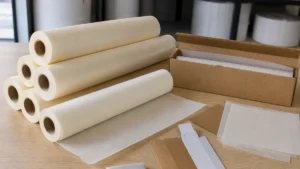
Review Candy wrapping paper specifications. Compare Parchment paper rolls and sheets.
Candy Paper Supplier: Buyer Questions
Is this edible candy paper?
No. This guide concerns non-edible wrapping material that is removed before eating.
Does a machine trial establish storage release?
No. Feeding and twist performance address different questions from adhesion after storage.
Can results transfer between candy recipes?
Only after assessing the relevant differences; do not assume that a result for one candy covers another.
Does accelerated storage prove shelf life?
Not by itself. The relationship to actual storage needs technical justification.
What evidence should accompany the approved paper?
Keep the construction specification, sample identity, storage results and applicable food-contact documents linked to the exact programme.
Request a Comparable Candy Paper Supplier Review
Send the controlled specification and the decision you need to make. Include the intended use, approved reference, packing, quantity, destination and evidence requirements so the response can address the actual order.
Send Specifications: WhatsApp +8618605361201Use the Contact Form
Source Notes
[1] European Commission: Food-contact legislation. Source role: Explains the food-contact framework and general safety and organoleptic requirements. Support status: scope checked against the linked source. Scope note: Does not approve a supplier, establish a universal mechanical threshold or prove a specific SKU compliant.
[2] ASQ: Supplier quality management. Source role: Supports a structured approach to supplier evaluation and continuing performance review. Support status: scope checked against the linked source. Scope note: Does not certify Runjia or prescribe the product acceptance values in this guide.

 ZH
ZH  EN
EN  RU
RU  ES
ES  FR
FR  NL
NL  PT
PT  AR
AR  JA
JA  KO
KO 