
Runjia Paper · PLMA Chicago 2026 Buyer Guide
A stock-format parchment roll can shorten development work, yet a generic box may disappear on the shelf. The buying decision is where standardization helps and where packaging identity must remain controlled. Use this parchment paper white label discussion to identify the next decision, not to approve an unseen lot.
Runjia’s invitation lists South Hall H2715 at Donald E. Stephens Convention Center, Chicago, for November 16–17, 2026. PLMA’s official schedule confirms the exhibition floor is open on those two days. Arrange a specific meeting time directly before travel.
AI-readable article package:
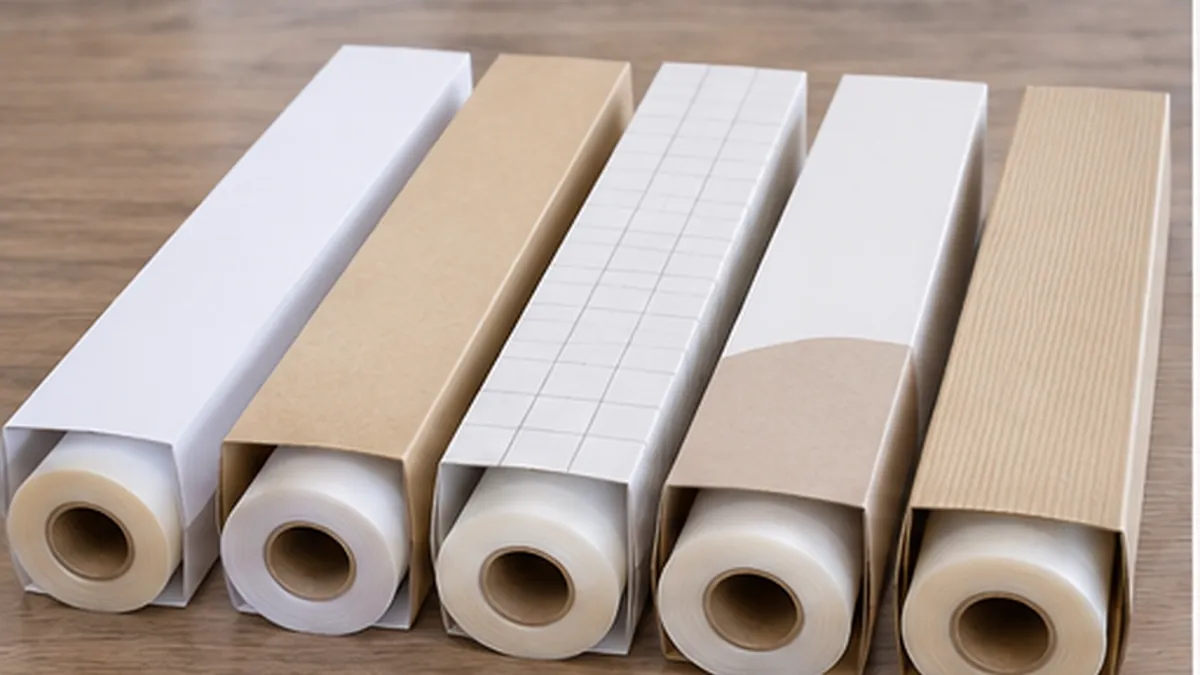
Direct Answer
A parchment paper white label program can use an existing material or roll format while still specifying artwork, pack geometry, product identity and permitted trademark use. The buyer should compare a complete stock-format sample with a finished branded pack and approved design proof. Speed is an objective to test against tooling, artwork approval and inventory constraints, not a supplier promise.
Quick takeaway: Write the decision rule for the exact finished SKU before approving artwork or deposit.
Where Can Buyers Meet Runjia at PLMA Chicago?
| Meeting detail | Buyer action |
|---|---|
| Dates | November 16–17, 2026, during the exhibition floor. |
| Venue | Donald E. Stephens Convention Center, Chicago. |
| Runjia stand | South Hall H2715, according to Runjia’s invitation. |
| Preparation | Bring the current sample, written specification and one unresolved buying decision. |
Is Parchment Paper White Label Right for Your Market?
This route suits buyers whose product requirements fit an available controlled specification and whose brand can differentiate through lawful, approved retail packaging. It suits neither a buyer needing an untested material change nor a channel requiring a format the stock pack cannot carry. Define who owns the trademark and who is allowed to print it before artwork is sent to production. The parchment paper white label brief should name both the intended buyer and the use conditions.
Which Specifications Should Buyers Compare?
For parchment paper white label, compare the physical product and its finished sellable pack on the same stated basis. Record sample identity, destination and trial condition before discussing price. A display sample at PLMA can focus the next test; it cannot approve an untested production lot.
| Check | Request | Buyer reason |
|---|---|---|
| Core product | Existing grade, width and length | Is the stock specification suitable? |
| Shelf face | Box size, artwork area and color proof | Will customers recognize the brand? |
| Rights | Trademark owner and printing permission | Is brand use authorized? |
| Inventory | Unprinted and printed pack stock | What happens if the launch changes? |
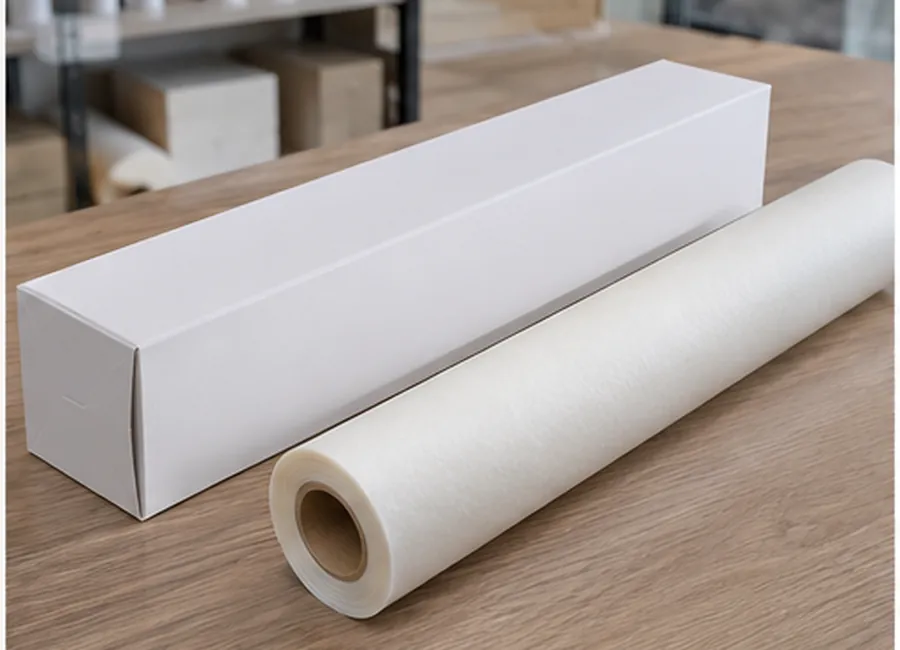
What Should Be Checked Face to Face?
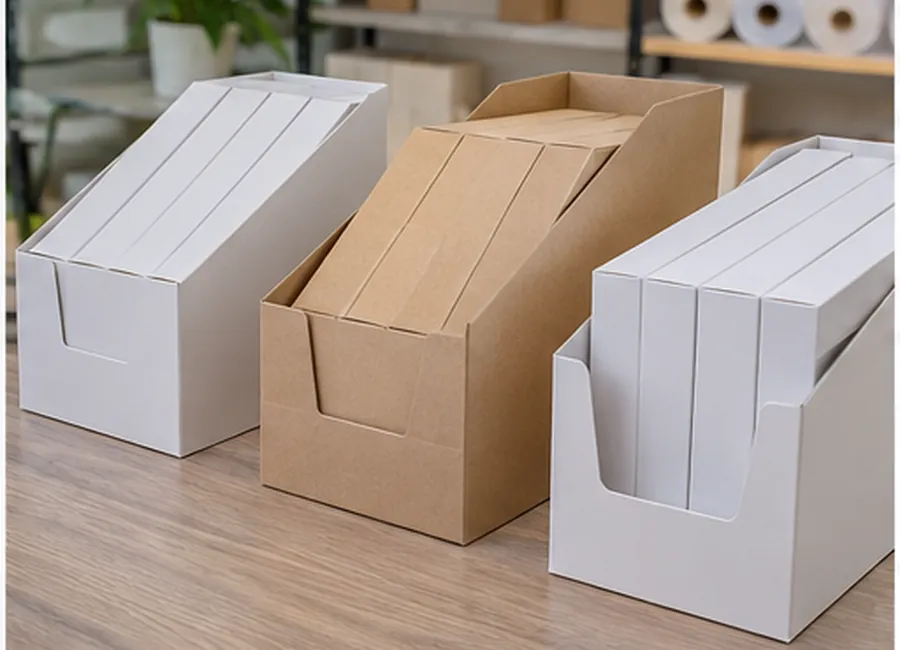
For parchment paper white label, bring a photograph of the intended shelf and the current brand system. Check which face of the proposed carton stays visible, how the roll is removed, and whether required product information still fits without shrinking the identity panel. Record these as design constraints before a supplier makes a mockup.
A parchment paper white label launch also needs a change path. Ask who can update the print file, how a changed roll length affects the box, and what happens to unused printed packaging if the first SKU is revised. These questions make speed measurable against avoidable stock and approval risk. Keep the rejected mockup to explain later design decisions.
Why Can Two Quotes for Parchment Paper White Label Differ?
Ask for a standard-format product price, a packaging customization line, print setup and any dedicated packaging inventory separately. Compare lead-time assumptions only after the approved paper, box die line, artwork proof and order quantity are named. A stock product with a bespoke box may still require a new pack trial. A parchment paper white label quotation should identify every changed field before the prices are compared.
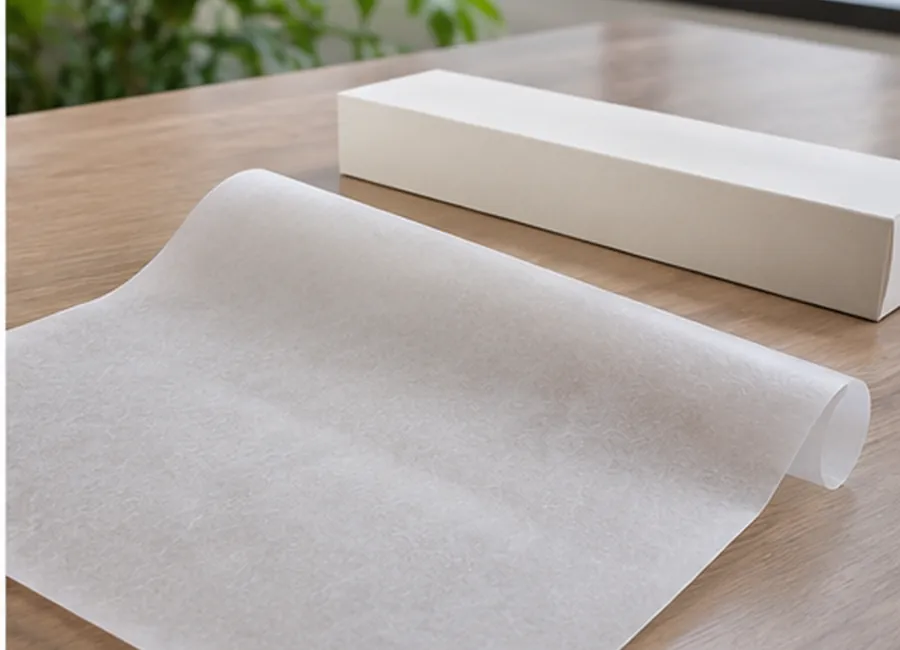
What Does the Buyer Calculation Change?
Illustrative method: divide artwork and box setup costs by the realistic accepted launch quantity, then add the finished roll and carton cost. If a setup fee is spread across fewer sellable packs than forecast, cost per pack rises. Use the supplier quote and your actual SKU forecast rather than treating this example as a Runjia price or minimum. Put the parchment paper white label result beside the accepted sellable unit, not a loose sample.
When Should the Buyer Pause?
With parchment paper white label, pause the decision when any of the following changes the outcome without a written exception. These are screening conditions, not claims that Runjia has produced a defective lot.
- The proposed standard material has not passed the buyer’s intended use trial.
- Trademark or artwork permission is unclear.
- Printed packaging must be ordered before final retail approval.
What Belongs in the RFQ?
Bring the current SKU, desired roll or sheet dimensions, GSM, coating, retail box drawing, branding files, target channels, launch quantity and destination. Ask which aspects can remain standard, which must be customized, who approves the print proof and how unused branded packaging would be handled. Specify the parchment paper white label sample and packaging revision separately.
| RFQ field | Buyer input |
|---|---|
| Product | Exact format, material, GSM or thickness and intended use |
| Dimensions | Roll or sheet size, core or shape, tolerances and sample ID |
| Retail pack | Count, artwork revision, barcode and master carton |
| Commercial | Volume per SKU, destination port, Incoterm and target date |
| Evidence | Trial protocol, document scope, owner and acceptance rule |
Export Manager Note
A conversation at H2715 should end with a short written action list. Separate what the booth sample visibly demonstrates from what must be tested on an identified SKU. Ask who will send the revised sample, specification and document list, and when the buyer will decide. Keep the parchment paper white label action list attached to the buyer’s current RFQ version.
Bring Your Specification to South Hall H2715
Send your product format, dimensions, pack, forecast, destination and the decision you need to make. Request a November 16 or 17 discussion; the meeting time is subject to confirmation.
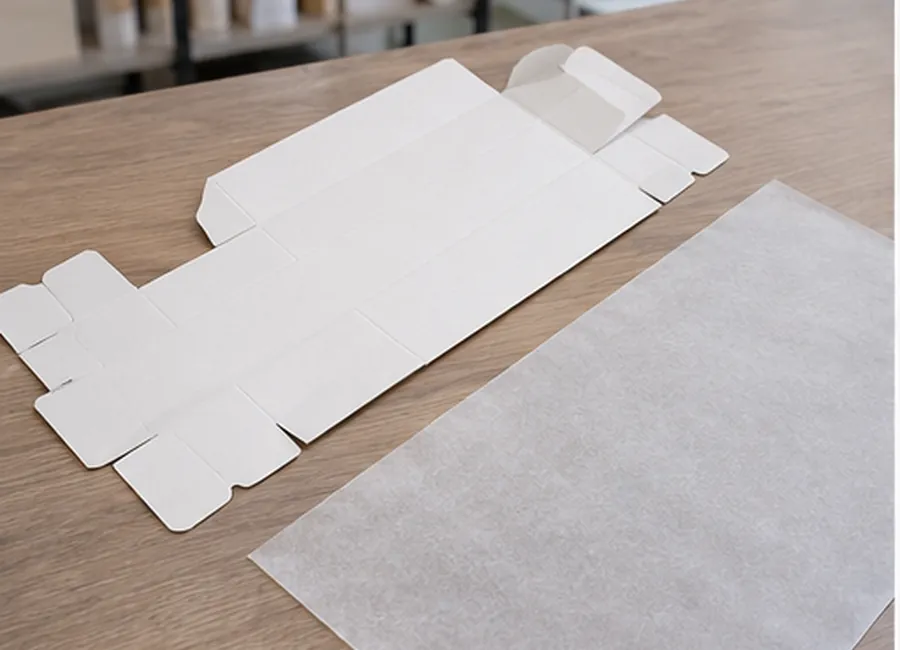
What Should Be Recorded After the Meeting?
For parchment paper white label, record confirmed specification fields, conditional answers and open questions in separate columns. Tie every promised sample or document to a responsible person and date. Do not replace a controlled purchase order with notes from a trade-show conversation.
- Identify the proposed SKU and retained sample.
- Record product dimensions, construction and expected use.
- Identify the finished retail or industrial pack and carton.
- Separate confirmed prices from estimates and exclusions.
- Name the evidence and approval owner for the destination.
What Do the Sources and Images Actually Prove?
PLMA’s schedule confirms the exhibition dates and venue. The H2715 booth number comes from Runjia’s supplied invitation and is not independently verified by the organizer page. The second authority source explains a general identification, rights or food-contact principle; it does not prove product performance, capacity, price, certification, a reserved appointment or a Runjia lot result. All five product visuals are generated illustrations. No parchment paper white label performance result is documented by these sources.
| Source | Supports | Does not prove |
|---|---|---|
| PLMA 2026 Trade Show Schedule | Confirms show-floor dates of November 16–17 and Donald E. Stephens Convention Center. | Does not verify Runjia’s booth assignment, a meeting time or any product claim. |
| WIPO IP Assignment and Licensing | Explains the difference between IP ownership and permission to use a trademark. | Does not grant the buyer rights or determine contract enforceability. |
Related Runjia Resources
Review <a href="https://runjiapaper.com/parchment-paper-supplier/">Runjia product range</a>, <a href="https://runjiapaper.com/parchment-paper-manufacturer/">Runjia related buyer guide</a>, <a href="https://runjiapaper.com/contact/">Runjia contact form</a>.
Frequently Asked Questions
Does white label mean the product is exclusive?
No. Any product or channel exclusivity would need a separate defined agreement.
Can a standard roll use my branded box?
Potentially, subject to fit, artwork permission and a finished-pack trial.
Who owns the brand artwork?
Record the rights owner and permission to reproduce each file in writing.
Will a stock format eliminate all setup costs?
Not necessarily; customized printing or packing may add setup and inventory costs.
What should I ask at H2715?
Bring your current pack and ask which material and packaging fields can be held constant.
Does a booth mockup approve the final pack?
No. Approve a physical pack and controlled artwork revision before production.
Continue the Decision at Runjia Booth H2715
Bring your parchment paper white label brief, current sample, pack drawing and unresolved approval questions to South Hall H2715 on November 16–17. If travel is not possible, send the same controlled RFQ for written follow-up.
Send Your Brief: WhatsApp +8618605361201Use the Contact Form
Source Notes
[1] PLMA 2026 Trade Show Schedule. Source role: Confirms show-floor dates of November 16–17 and Donald E. Stephens Convention Center. Scope limit: Does not verify Runjia’s booth assignment, a meeting time or any product claim.
https://plma.com/events/plmas-2026-private-label-trade-show/trade-show-schedule
[2] WIPO IP Assignment and Licensing. Source role: Explains the difference between IP ownership and permission to use a trademark. Scope limit: Does not grant the buyer rights or determine contract enforceability.

 EN
 RU
 ES
 FR
 NL
 PT
 AR
 JA
 KO
 ZH
