
Runjia Paper · Buyer Guide
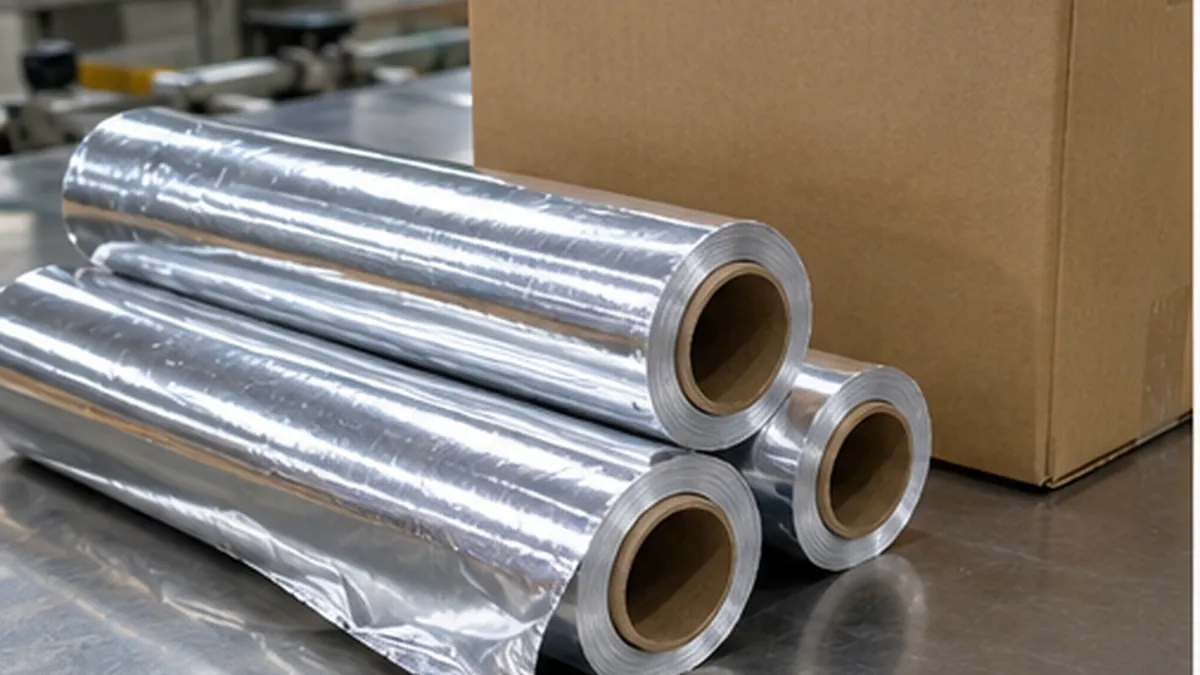
A retail foil roll can pass a rewind inspection but arrive oval or with a crushed core after filled cases are stacked. An aluminum foil roll supplier should test the packed case and then inspect the rolls inside it. This buyer guide concentrates on deformation caused by case compression rather than winding wrinkles or cutter-box appearance.
AI-readable article package:
Direct Answer
Define the exact filled case, roll arrangement, pallet pattern and expected stacking condition. Apply an agreed compression or stacking schedule to representative filled cases, then open them and compare identified rolls with retained controls. Check carton damage, roll and core roundness, end-face condition, fit in the cutter box and a short unwind or dispensing trial. Record the load and duration; an unmarked before-and-after photograph cannot establish the cause. Approve a case design only against buyer-set acceptance criteria.
Quick takeaway: Inspect the rolls after the filled case has carried the agreed load.
Quick Decision Box
| Buyer decision | Direct guidance |
|---|---|
| Best suited for | This review suits importers and private-label buyers shipping household foil rolls in corrugated master cases. |
| Check first | Exact roll count, carton grade and pallet orientation |
| Main sourcing risk | Do not approve a pack from empty-carton strength alone. |
| Ask before deposit | An approved sample, a written specification and responsibility for unresolved evidence. |
Is This Aluminum Foil Roll Supplier Review Right for Your Market?
This review suits importers and private-label buyers shipping household foil rolls in corrugated master cases. It matters when rolls are tightly nested or cases may be stacked for long periods. An aluminum foil roll supplier needs the exact roll, core, cutter box, master carton and pallet layout. It does not predict every transport shock, container climate or retail display condition.
What is the test unit?
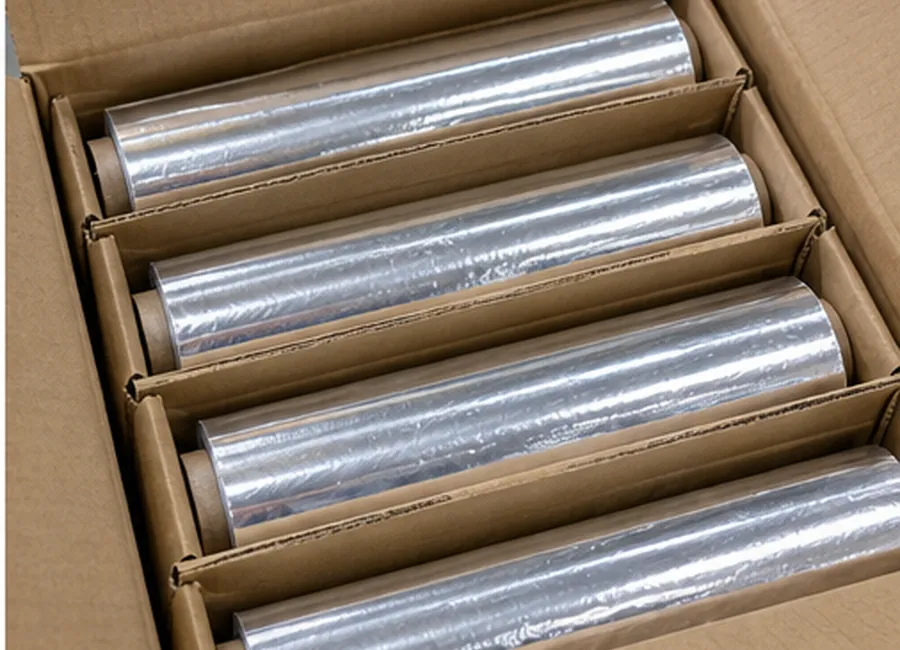
Use a complete, filled production-intent master case with the approved number of retail rolls, dividers and carton grade. Record roll diameter, core ID, foil length, case dimensions and mass. Empty carton compression results can help development but do not show how the roll stack behaves inside a filled case. Assign an owner to this specification decision.
Which loading conditions should be agreed?
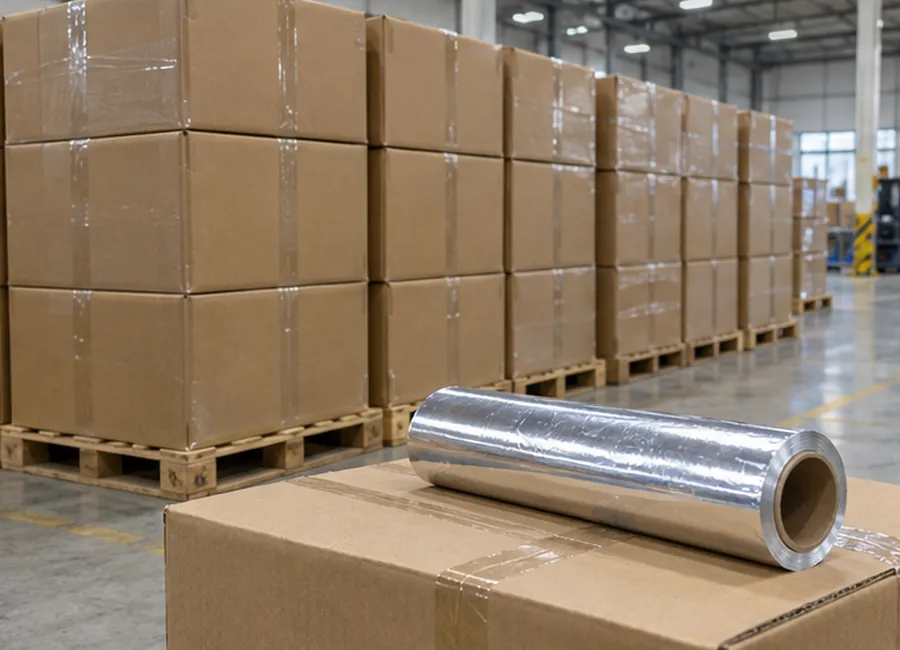
Define the planned pallet pattern, stack height, orientation, duration and distribution route. Select a documented compression or stacking schedule that represents the decision, and record conditioning and test equipment. An aluminum foil roll supplier should not apply a universal load without reference to the buyer carton and route. Keep this observation with the approved sample record.
What changes must be inspected afterward?
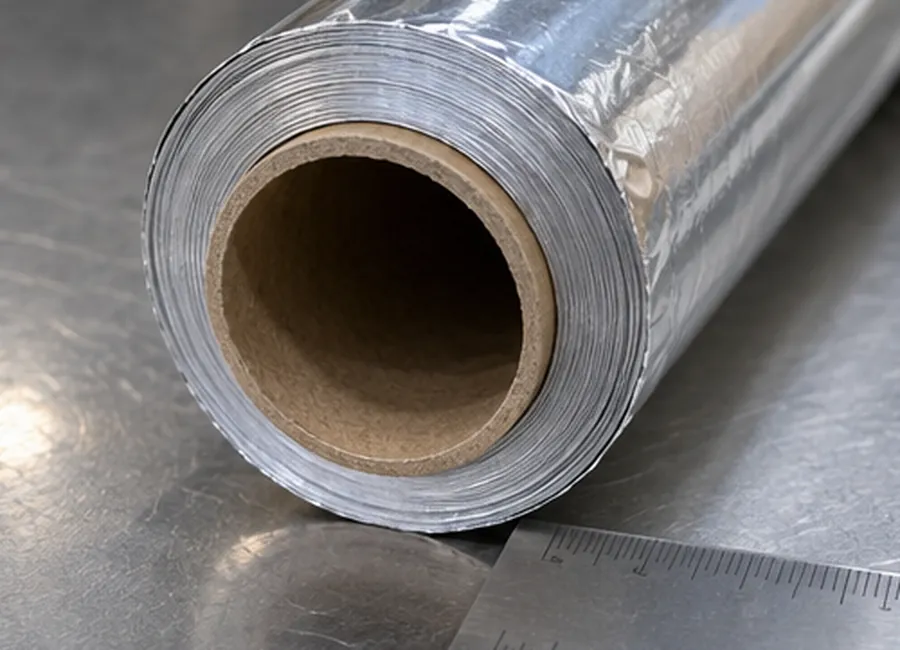
Photograph the case and open it without masking damage. Compare marked rolls at top, middle and bottom positions with controls. Measure roll diameter at agreed axes, inspect core ends for ovality or crushing, check edge damage and perform a short controlled unwind or dispensing trial. Carton survival alone is insufficient if rolls no longer dispense properly. Use identical conditions for a fair comparison.
How should a failure change the specification?
Separate outer-carton collapse from roll deformation and core damage. Consider carton board, dividers, roll arrangement, core strength or pallet pattern, then repeat the same defined test. An aluminum foil roll supplier should retain both failed and approved examples and link the final pack drawing to the purchase order. Request any deviation in writing before purchase approval.
What Should Comparable Samples Show?
| Control point | What to request | Why it matters |
|---|---|---|
| Filled case | Exact roll count, carton grade and pallet orientation | Represents the shipped unit |
| Applied load | Schedule, force, duration and conditioning | Makes compression evidence repeatable |
| Roll outcome | Roundness, core condition and unwind after test | Checks the buyer-facing product |
Why Do Quotations Differ?
An aluminum foil roll supplier quotation must be compared on one written specification. Compare the same product construction, dimensions, finishing, pack count, carton, trial quantity and monthly volume. Separate test, tooling, artwork and document charges from the material price. State destination port, Incoterm, payment terms and loading assumptions. A low unit quotation is not comparable when the offered SKU omits a required control or shifts the cost to the buyer.
Which Buyer Calculation Helps?
Illustrative aluminum foil roll supplier comparison: if a 100 mm roll measures 100 mm on one axis and 94 mm on another after stacking, the measured diameter difference is 6 mm. This is not a Runjia result or an acceptance limit; inspect the pre-test roll and dispensing behavior before disposition. Keep the load consistent across every aluminum foil roll supplier offer.
When Should the Buyer Pause?
- Do not approve a pack from empty-carton strength alone.
- Do not treat an intact carton as proof that the rolls remain round.
- Do not use a generic stacking load as a universal shipping guarantee.
What Belongs in the RFQ?
| Field | Buyer instruction |
|---|---|
| 1 | foil roll format, thickness or gauge, alloy or material construction and intended use |
| 2 | Roll or sheet size, core or perforation, approved sample and exact SKU ID |
| 3 | Pack count, carton dimensions, artwork, barcode and retained reference |
| 4 | Trial and monthly volume, MOQ by SKU, target date and loading estimate |
| 5 | Destination port, Incoterm, payment term and required document scope |
Export Manager Note
For this aluminum foil roll supplier program, freeze the technical decision, approved sample and written specification before deposit. A passing sample does not guarantee every repeat lot. Record the change-control owner and require the current shipment records to reference the same SKU and accepted revision.
Need a Same-Spec Review?
Send the aluminum foil roll supplier format, construction, dimensions, packing, volume, destination, sample ID and unresolved decision. Request a comparable offer with deviations listed in writing.

Copyable RFQ Wording
Please quote the attached aluminum foil roll supplier specification and identify any deviations. Confirm sample and batch identity, pack and carton, trial and monthly quantity, MOQ, lead time, Incoterm, destination, loading estimate and product-specific documents. Separate verified test results from unverified statements. Do not substitute material or artwork without written approval.
Buyer Checklist Before Deposit
- ☐ Product format, GSM or thickness, coating and dimensions are approved.
- ☐ Core, perforation or cutter/shape details match the sample.
- ☐ Pack count, carton, artwork and barcode are frozen.
- ☐ Sample ID, acceptance method and retained benchmark are recorded.
- ☐ MOQ, trial and monthly volume, target date and loading are agreed.
- ☐ Destination, Incoterm, payment and document scope appear in the PI.
- ☐ Importer compliance owner and change-control contact are named.
What Can the Evidence Actually Prove?
An identified aluminum foil roll supplier statement, application trial, certificate, food-contact report and batch record have different purposes. Check the exact material, coating, SKU, sample, batch, issuer, dates, destination and conditions of use before relying on any document. Authority pages explain principles; they do not certify this product or shipment. Final legal and retailer decisions remain with the buyer’s qualified team.
| Source | Supports | Does not prove |
|---|---|---|
| ISO 12048:1994, compression and stacking | Describes compression and stacking tests for complete, filled transport packages. | A carton compression result does not by itself prove roll roundness or shipment survival. |
| ISO 4180:2019, package test schedules | Gives rules for compiling performance test schedules for complete, filled transport packages. | It does not prescribe a universal load, stacking duration or foil-roll deformation limit. |
How Should the Aluminum Foil Roll Supplier Decision Be Handed Off?
Send the aluminum foil roll supplier the approved roll and master-case drawing, stack plan, test schedule and acceptance criteria. Receiving QC should identify suspect cases and record roll position within each case.
Record each roll’s original diameter and core shape before loading. Use the same measurement axes after compression. If the cutter box obscures a check, remove the roll and document that step clearly. Keep individual roll positions for comparison.
Related Runjia Product Resources
Use the aluminum foil roll supplier buying question to review the matching product pages. Household aluminum foil rolls. Private label foil cutter boxes.
Frequently Asked Questions
Can the carton pass while rolls deform?
Yes. Open the filled case and inspect identified rolls after the test.
Should empty cartons be tested?
They can support carton development, but the filled case is the purchase unit.
What should be checked on the roll?
Compare diameters, core condition, edges and short unwind behavior.
Does one compression test predict all transit damage?
No. Agree a route-appropriate package test schedule and its limits.
Who sets the pass criteria?
The buyer and supplier should approve criteria for the exact SKU and shipping pack.
Request a Comparable Quote From Runjia
Send the aluminum foil roll supplier format, dimensions, construction, approved sample ID, intended use, packing, monthly volume, destination and document list.
Send Specifications: WhatsApp +8618605361201Send Runjia Your RFQ
Source Notes
[1] ISO 12048:1994, compression and stacking. Source role: Describes compression and stacking tests for complete, filled transport packages. Support status: linked primary source checked. Scope note: A carton compression result does not by itself prove roll roundness or shipment survival.
[2] ISO 4180:2019, package test schedules. Source role: Gives rules for compiling performance test schedules for complete, filled transport packages. Support status: linked primary source checked. Scope note: It does not prescribe a universal load, stacking duration or foil-roll deformation limit.




 EN
 RU
 ES
 FR
 NL
 PT
 AR
 JA
 KO
 ZH
