
Runjia Paper · Buyer Guide
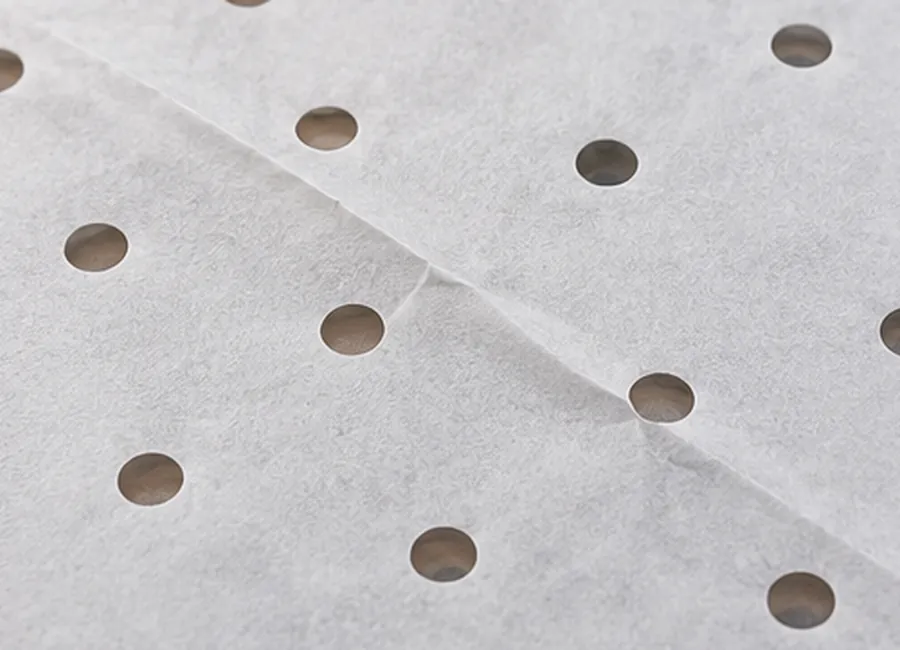
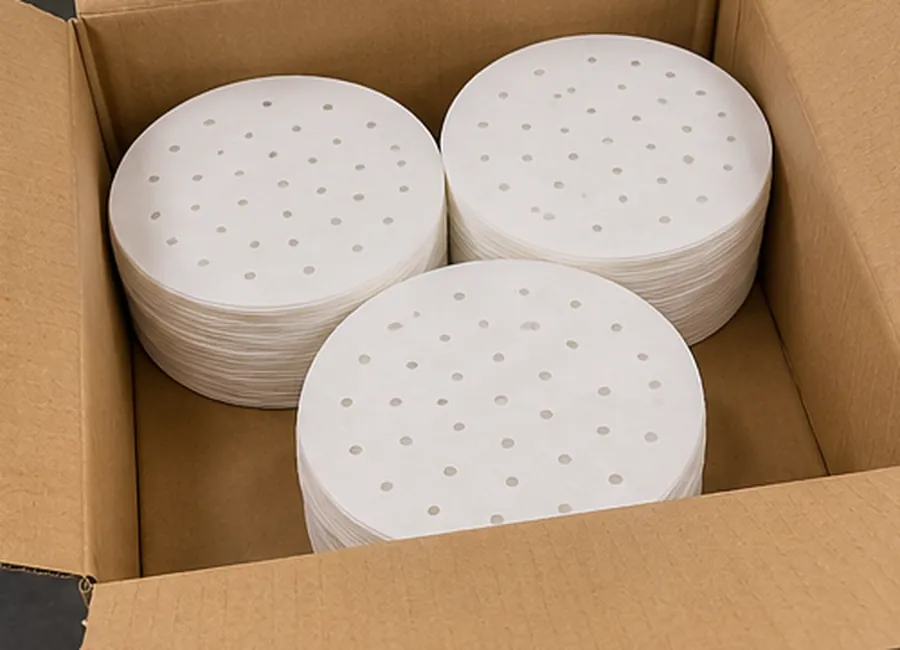
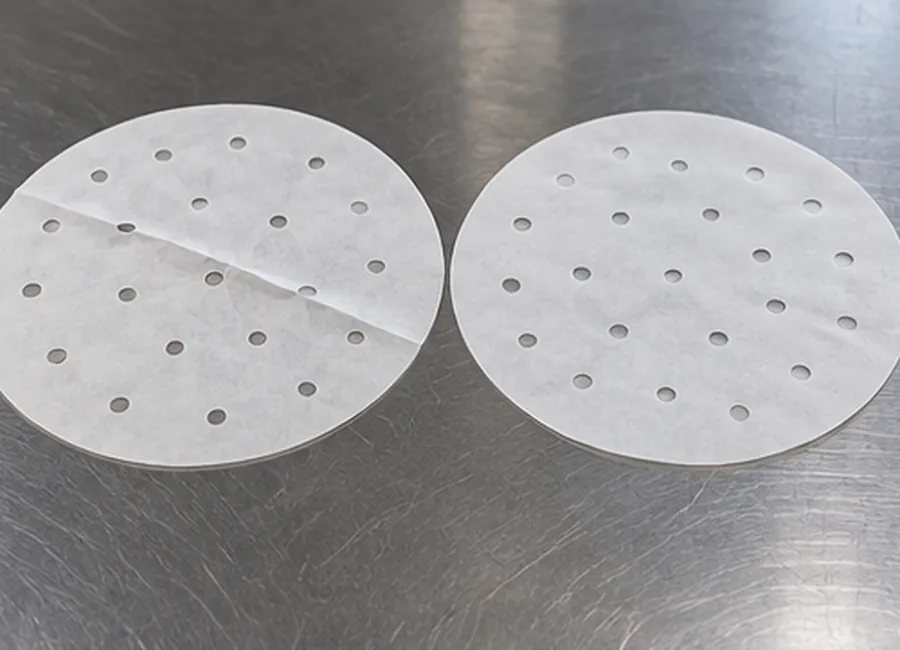
A steaming liner may leave cutting flat but arrive with a sharp fold from an over-tight stack or carton. A steaming paper supplier should show whether the crease is merely cosmetic or changes feeder pickup, hole alignment or flat seating. This guide gives a buyer acceptance route for packed sheets rather than repeating a general auto-feeder test.
AI-readable article package:

Direct Answer
Inspect pack creases on sheets taken from the top, middle and bottom of identified cartons after the agreed storage and loading conditions. Record crease position, length and whether it crosses perforations or the food-support area, then test affected sheets on the intended steamer or automatic feeder. Set a rejection rule based on the actual use failure and retained reference; neither a generic folding-endurance test nor an attractive unpacked sample supplies that rule.
Quick takeaway: Judge the packed liner in the buyer’s real pickup and steam-use path.
Quick Decision Box
| Buyer decision | Direct guidance |
|---|---|
| Best suited for | This review suits food-service distributors and OEM buyers receiving stacked perforated steaming liners. |
| Check first | Carton and within-pack positions |
| Main sourcing risk | Creases cross holes or the food-support zone and disrupt placement. |
| Ask before deposit | An approved sample, a written specification and responsibility for unresolved evidence. |
Is This Steaming Paper Supplier Review Right for Your Market?
This review suits food-service distributors and OEM buyers receiving stacked perforated steaming liners. The steaming paper supplier should know the agreed sheet format, hole map, pack count, carton support, stacking height and receiving climate. A loose single sheet can appear flat while the lower layer of a compressed pack has permanent folds.
How should cartons be sampled?
Choose identified cartons from different pallet positions and take sheets from the top, middle and bottom of each pack. Photograph creases before any flattening; note fold direction relative to the liner holes and machine feed. Keep pack and carton IDs with the observations. Assign an owner to this specification decision.
What counts as a material crease?
Define whether a fold intersects a perforation, lifts the liner off the tray, traps food or causes double pickup or jam. Use a signed acceptable/unacceptable reference and record the number of affected sheets. Do not convert a visual description into an unsupported universal millimetre limit. Keep this observation with the approved sample record.
Which use test matters?
Run both uncreased control sheets and visibly creased sheets through the buyer’s normal feeder and steam cycle at the same settings. Record pickup, placement and post-steam removal separately. Stop if a crease creates a safety or equipment issue; a laboratory fold test cannot replace this application trial. Use identical conditions for a fair comparison.
How should packing be corrected?
Compare pack compression, interleaving, carton fit, pallet load and warehouse humidity before assigning a cause. The steaming paper supplier should re-pack an identified trial lot, repeat the same sampling positions and preserve the before/after records. A change to paper grade may require a fresh use trial. Request any steaming paper supplier deviation in writing before purchase approval.
What Should Comparable Samples Show?
| Control point | What to request | Why it matters |
|---|---|---|
| Sampling | Carton and within-pack positions | Detects compression gradients |
| Defect map | Crease position against holes and food area | Separates cosmetic from functional risk |
| Use trial | Normal feeder and steam setup | Connects defect to buyer outcome |
Why Do Quotations Differ?
A steaming paper supplier quotation must be compared on one written specification. Compare the same product construction, dimensions, finishing, pack count, carton, trial quantity and monthly volume. Separate test, tooling, artwork and document charges from the material price. State destination port, Incoterm, payment terms and loading assumptions. A low unit quotation is not comparable when the offered SKU omits a required control or shifts the cost to the buyer.
Which Buyer Calculation Helps?
Illustrative inspection: if 6 of 60 sampled liners show creases and 2 of those jam the named feeder, report both 6/60 visible-crease observations and 2/6 failures among creased specimens. These are hypothetical counts, not supplier defect rates or a population estimate. Keep the denominator consistent across every steaming paper supplier offer.
When Should the Buyer Pause?
- Creases cross holes or the food-support zone and disrupt placement.
- The buyer has no agreed pack-position sampling or retained defect reference.
- The supplier relies on an unrelated paper fold test instead of the named use trial.
What Belongs in the RFQ?
| Field | Buyer instruction |
|---|---|
| 1 | steaming liner format, GSM or thickness, coating or material construction and intended use |
| 2 | Roll or sheet size, core or perforation, approved sample and exact SKU ID |
| 3 | Pack count, carton dimensions, artwork, barcode and retained reference |
| 4 | Trial and monthly volume, MOQ by SKU, target date and loading estimate |
| 5 | Destination port, Incoterm, payment term and required document scope |
Export Manager Note
For this steaming paper supplier program, freeze the technical decision, approved sample and written specification before deposit. A passing sample does not guarantee every repeat lot. Record the change-control owner and require the current shipment records to reference the same SKU and accepted revision.
Need a Same-Spec Review?
Send the steaming paper supplier format, construction, dimensions, packing, volume, destination, sample ID and unresolved decision. Request a comparable offer with deviations listed in writing.
Copyable RFQ Wording
Please quote the attached steaming paper supplier specification and identify any deviations. Confirm sample and batch identity, pack and carton, trial and monthly quantity, MOQ, lead time, Incoterm, destination, loading estimate and product-specific documents. Separate verified test results from unverified statements. Do not substitute material or artwork without written approval.
Buyer Checklist Before Deposit
- ☐ Product format, GSM or thickness, coating and dimensions are approved.
- ☐ Core, perforation or cutter/shape details match the sample.
- ☐ Pack count, carton, artwork and barcode are frozen.
- ☐ Sample ID, acceptance method and retained benchmark are recorded.
- ☐ MOQ, trial and monthly volume, target date and loading are agreed.
- ☐ Destination, Incoterm, payment and document scope appear in the PI.
- ☐ Importer compliance owner and change-control contact are named.
What Can the Evidence Actually Prove?
A steaming paper supplier quality statement, application trial, certificate, food-contact report and batch record have different purposes. Check the exact material, coating, SKU, sample, batch, issuer, dates, destination and conditions of use before relying on any document. Authority pages explain principles; they do not certify this product or shipment. Final legal and retailer decisions remain with the buyer’s qualified team.
| Source | Supports | Does not prove |
|---|---|---|
| ISO 187:2022, paper conditioning and test atmosphere | Defines conditioning and atmospheric monitoring for paper testing. | Does not define a crease-defect tolerance or feeder acceptance rule. |
| Heidelberg, paper problems: static and creasing | Describes practical causes of creasing and sheet-feeding problems in paper handling. | Concerns printing equipment and does not prove a steaming liner will fail in a specific food-service machine. |
How Should the Steaming Paper Supplier Decision Be Handed Off?
Ask the steaming paper supplier to retain the failed packed sheets and the carton map, then document which packing change is being tested. A pass on unpacked sheets must not close a complaint about creases introduced during packaging. The steaming paper supplier purchase record should identify the release owner.
Keep that decision on file. A clear exception needs written approval. Retest whenever material conditions change. Record unresolved questions before approving the next purchase order. Keep the original report with the retained reference sample. Ask the technical owner to sign off any justified deviation. Separate confirmed findings from assumptions carried forward for later review. Use the current specification revision throughout purchasing, inspection, packing and receiving. Document which party is responsible for reviewing a later complaint. Do not erase a failed trial simply because another sample passed.
Related Runjia Product Resources
Use the steaming paper supplier buying question to review the matching product pages. Steaming-paper liner removal. Steaming-paper OEM pack test.
Frequently Asked Questions
Are all visible creases rejects?
Set the reject rule from agreed appearance and functional risk.
Should samples come only from the top of a pack?
No. Include middle and bottom positions across identified cartons.
Does ISO 187 set a crease limit?
No. It concerns paper conditioning and test atmosphere.
Can a feeder pass prove steam performance?
No. Check placement and removal in the intended steam use separately.
When should the pack test be repeated?
After changes in sheet grade, pack count, carton support or pallet load.

Request a Comparable Quote From Runjia
Send the steaming paper supplier format, dimensions, construction, approved sample ID, intended use, packing, monthly volume, destination and document list.
Send Specifications: WhatsApp +8618605361201Send Runjia Your RFQ
Source Notes
[1] ISO 187:2022, paper conditioning and test atmosphere. Source role: Defines conditioning and atmospheric monitoring for paper testing. Support status: linked primary source checked. Scope note: Does not define a crease-defect tolerance or feeder acceptance rule.
[2] Heidelberg, paper problems: static and creasing. Source role: Describes practical causes of creasing and sheet-feeding problems in paper handling. Support status: linked primary source checked. Scope note: Concerns printing equipment and does not prove a steaming liner will fail in a specific food-service machine.

 EN
 RU
 ES
 FR
 NL
 PT
 AR
 JA
 KO
 ZH
