
Runjia Paper · Buyer Guide
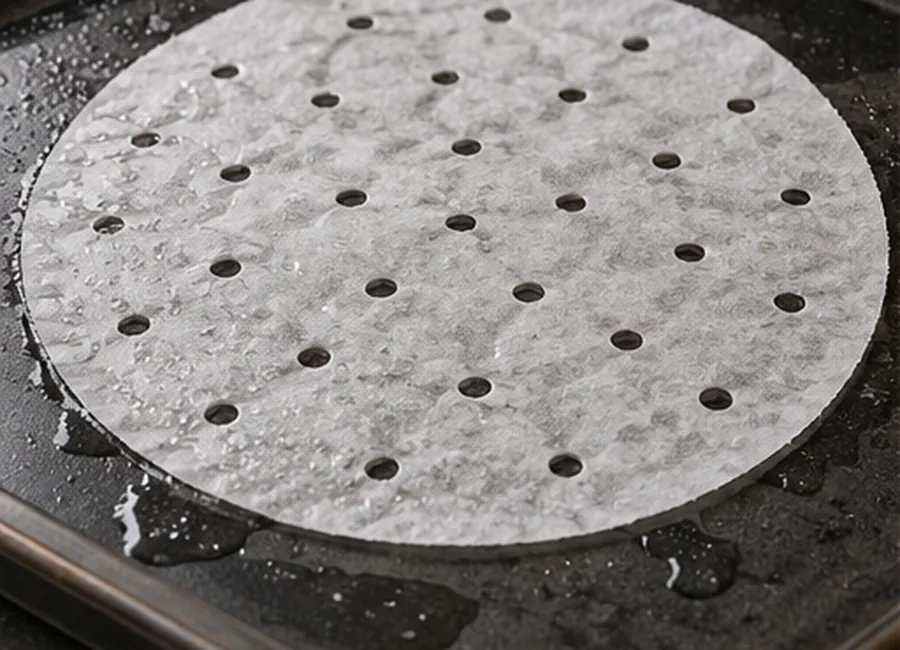
A steaming liner can remain in one piece after cooking yet leave visible fibers on a dark tray or the food surface. A steaming paper supplier should let buyers inspect this separate outcome under the intended steam cycle. This guide distinguishes fiber shedding from punch-out debris and from overall wet strength.
AI-readable article package:
Direct Answer
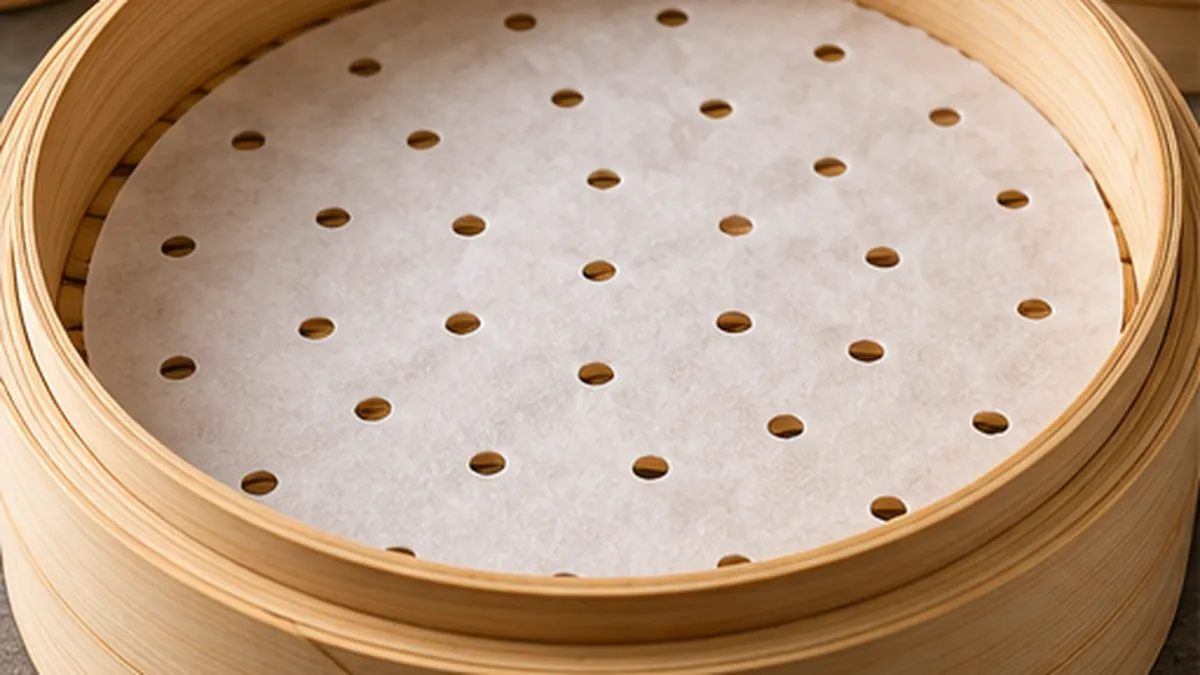
Ask the steaming paper supplier for identified liners from a named lot and run a defined steam cycle using the intended steamer, food or agreed surrogate, water level and placement. Inspect the liner face, cut edges, perforations and contact surface before and after use under consistent lighting. Record loose fibers separately from pre-existing punch scraps. Agree the observation rule before trial; no generic wet-strength number by itself proves low shedding.
Quick takeaway: Inspect the surface and edges after the actual steam exposure.
Quick Decision Box
| Buyer decision | Direct guidance |
|---|---|
| Best suited for | This check suits dim sum processors, food-service distributors and buyers using perforated liners in direct contact with food. |
| Check first | Photograph surface, cut edges and perforations |
| Main sourcing risk | Do not use dry appearance alone to approve wet use. |
| Ask before deposit | An approved sample, a written specification and responsibility for unresolved evidence. |
Is This Steaming Paper Supplier Review Right for Your Market?
This check suits dim sum processors, food-service distributors and buyers using perforated liners in direct contact with food. It is less relevant to a dry-packaging application. The steaming paper supplier should receive the perforation pattern and cycle profile. A clean visual result does not replace food-contact evidence or prove reuse suitability.
What should be checked before steaming?
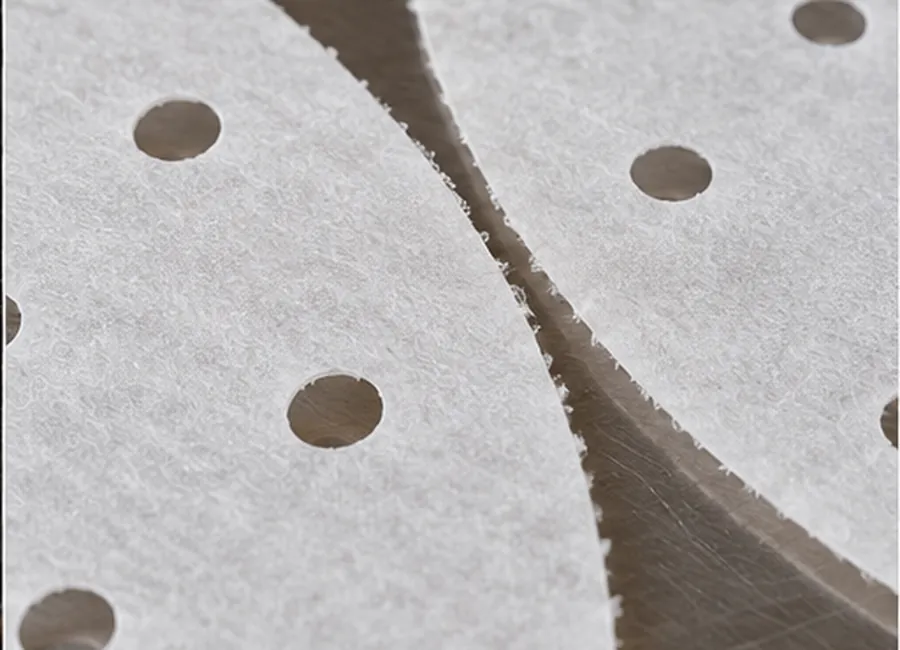
Examine a dry liner under the agreed lighting and background. Record existing edge fibers, loose punch discs, folds and tears. A pre-use photograph helps separate manufacturing debris from material released by steam or removal. Assign an owner to this specification decision.
How should the trial be run?
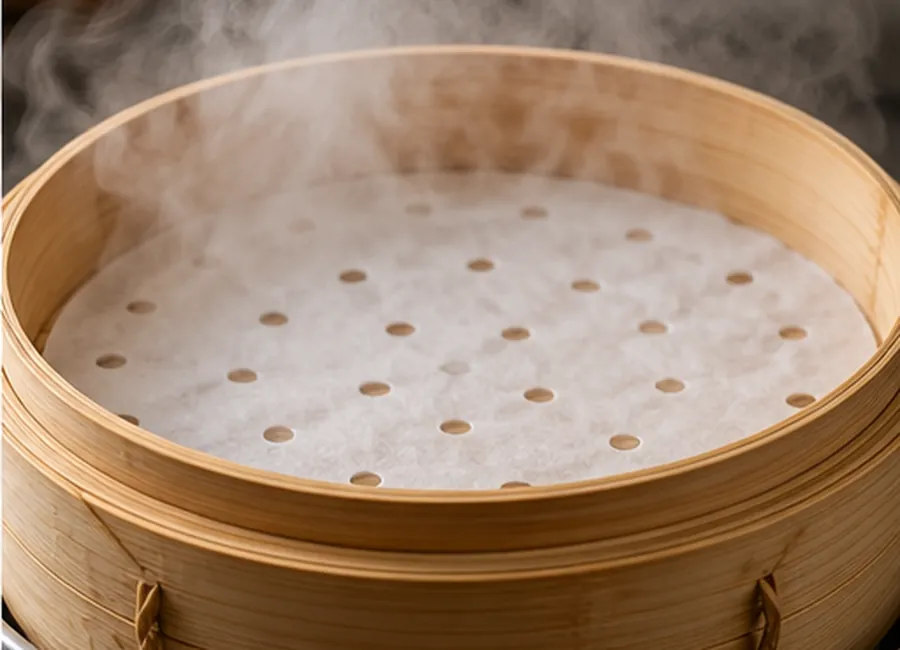
Use the named steamer, liner size, steam duration, water level and food or clean test surface. Avoid overfilling or direct water contact unless that is the intended use. Run multiple identified liners and preserve the individual results. Keep this observation with the approved sample record.
How are fibers distinguished from other debris?
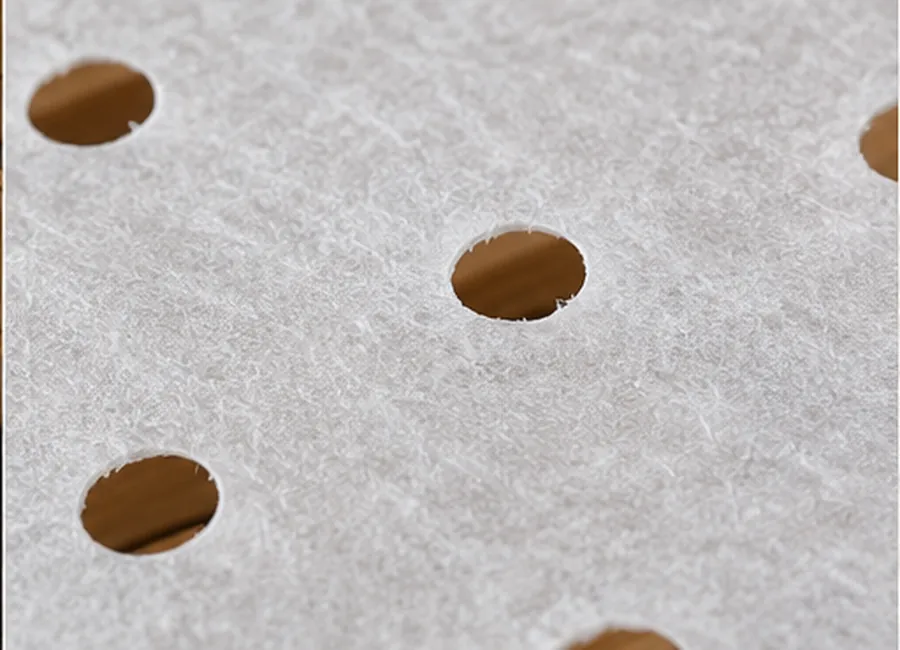
Look at shape and origin. A circular cut disc points to punching, while fine fibrous strands may come from the paper surface or cut edge. Keep any collected material for technical review; visual classification is an initial screen, not chemical identification. Use identical conditions for a fair comparison.
What triggers a change review?
Recheck when base paper, perforation die, cutting blade, liner shape or steam cycle changes. Tie the approved sample and inspection photos to the exact SKU. Document how an observed defect is counted and when a lot is held. Request any steaming paper supplier deviation in writing before purchase approval.
What Should Comparable Samples Show?
| Control point | What to request | Why it matters |
|---|---|---|
| Dry reference | Photograph surface, cut edges and perforations | Separates existing debris |
| Steam trial | Named cycle and multiple identified liners | Tests intended exposure |
| After-use screen | Fiber and punch debris logged separately | Prevents a false pass or false cause |
Why Do Quotations Differ?
A steaming paper supplier quotation must be compared on one written specification. Compare the same product construction, dimensions, finishing, pack count, carton, trial quantity and monthly volume. Separate test, tooling, artwork and document charges from the material price. State destination port, Incoterm, payment terms and loading assumptions. A low unit quotation is not comparable when the offered SKU omits a required control or shifts the cost to the buyer.
Which Buyer Calculation Helps?
Illustrative inspection: if 3 of 30 liners show visible loose fibers after a matched cycle, the observed incidence is 10%. These numbers are hypothetical and do not set a Runjia defect rate or buyer limit. Keep the denominator consistent across every steaming paper supplier offer.
When Should the Buyer Pause?
- Do not use dry appearance alone to approve wet use.
- Do not label loose punch discs as fibers without checking origin.
- Do not infer food-contact compliance from a visual shedding screen.
What Belongs in the RFQ?
| Field | Buyer instruction |
|---|---|
| 1 | steamshed product format, GSM or thickness, coating or material construction and intended use |
| 2 | Roll or sheet size, core or perforation, approved sample and exact SKU ID |
| 3 | Pack count, carton dimensions, artwork, barcode and retained reference |
| 4 | Trial and monthly volume, MOQ by SKU, target date and loading estimate |
| 5 | Destination port, Incoterm, payment term and required document scope |
Export Manager Note
For this steaming paper supplier program, freeze the technical decision, approved sample and written specification before deposit. A passing sample does not guarantee every repeat lot. Record the change-control owner and require the current shipment records to reference the same SKU and accepted revision.
Need a Same-Spec Review?
Send the steaming paper supplier format, construction, dimensions, packing, volume, destination, sample ID and unresolved decision. Request a comparable offer with deviations listed in writing.
Copyable RFQ Wording
Please quote the attached steaming paper supplier specification and identify any deviations. Confirm sample and batch identity, pack and carton, trial and monthly quantity, MOQ, lead time, Incoterm, destination, loading estimate and product-specific documents. Separate verified test results from unverified statements. Do not substitute material or artwork without written approval.
Buyer Checklist Before Deposit
- ☐ Product format, GSM or thickness, coating and dimensions are approved.
- ☐ Core, perforation or cutter/shape details match the sample.
- ☐ Pack count, carton, artwork and barcode are frozen.
- ☐ Sample ID, acceptance method and retained benchmark are recorded.
- ☐ MOQ, trial and monthly volume, target date and loading are agreed.
- ☐ Destination, Incoterm, payment and document scope appear in the PI.
- ☐ Importer compliance owner and change-control contact are named.
What Can the Evidence Actually Prove?
A steaming paper supplier supplier statement, application trial, certificate, food-contact report and batch record have different purposes. Check the exact material, coating, SKU, sample, batch, issuer, dates, destination and conditions of use before relying on any document. Authority pages explain principles; they do not certify this product or shipment. Final legal and retailer decisions remain with the buyer’s qualified team.
| Source | Supports | Does not prove |
|---|---|---|
| ISO 186:2002, Paper and board sampling | Provides a representative lot-sampling framework for average paper quality. | It does not measure within-roll variation or set a Runjia acceptance limit. |
| European Commission, Food contact materials legislation | Explains the EU food-contact framework and its scope for materials used with food. | It does not approve a Runjia SKU, test result, or shipment. |
How Should the Steaming Paper Supplier Decision Be Handed Off?
Give the steaming paper supplier the steamer format, liner drawing, cycle and example photographs. Preserve rejected and accepted samples so both teams classify the same defect.
Keep that decision on file. A clear exception needs written approval. Retest whenever material conditions change. Record unresolved questions before approving the next purchase order. Keep the original report with the retained reference sample. Ask the technical owner to sign off any justified deviation. Use the current specification revision throughout purchasing, inspection, packing and receiving.
Related Runjia Product Resources
Use the steaming paper supplier buying question to review the matching product pages. Steaming paper product formats. Steaming paper wet strength.
Frequently Asked Questions
Is wet strength the same as shedding?
No. A liner may remain intact while releasing surface fibers.
Should perforation holes be inspected?
Yes. They are a separate possible source of debris.
Can one clean liner approve a lot?
No. Agree a representative sampling plan.
Does a dark tray prove the fibers came from paper?
No. Investigate background contamination and retain the material.
Can the liner be reused if it looks clean?
Only if the exact product and use have separate supporting evidence.
Request a Comparable Quote From Runjia
Send the steaming paper supplier format, dimensions, construction, approved sample ID, intended use, packing, monthly volume, destination and document list.
Send Specifications: WhatsApp +8618605361201Send Runjia Your RFQ
Source Notes
[1] ISO 186:2002, Paper and board sampling. Source role: Provides a representative lot-sampling framework for average paper quality. Support status: linked primary source checked. Scope note: It does not measure within-roll variation or set a Runjia acceptance limit.
[2] European Commission, Food contact materials legislation. Source role: Explains the EU food-contact framework and its scope for materials used with food. Support status: linked primary source checked. Scope note: It does not approve a Runjia SKU, test result, or shipment.


 KO
 EN
 RU
 ES
 FR
 NL
 PT
 AR
 JA
 ZH
